



Sortation Conveyors
Vertical or horizontal bag diversion
Modular range of conveyors to divert, diverge, merge and converge
Alstef Group’s baggage sortation conveyors are designed to support reliable and efficient baggage handling operations across airports of all sizes. Engineered for seamless integration within airport baggage handling systems, our modular conveyor range enables accurate baggage diversion, merging and distribution while maintaining smooth operational flow and high system availability.
Built for long-term performance in demanding airport environments, our sortation conveyor solutions combine robust mechanical design with low maintenance requirements and energy-efficient operation. From low-capacity regional airports to complex international hub environments, our baggage sortation technology helps airports optimise throughput, improve tracking accuracy and support reliable baggage delivery throughout the passenger journey.
With extensive experience delivering airport baggage handling systems globally, Alstef Group provides tailored sortation conveyor solutions that integrate with advanced controls, screening systems and wider baggage handling infrastructure to support scalable and future-ready airport operations.
Medium Capacity Sortation Conveyors
Low Capacity Sortation Conveyors
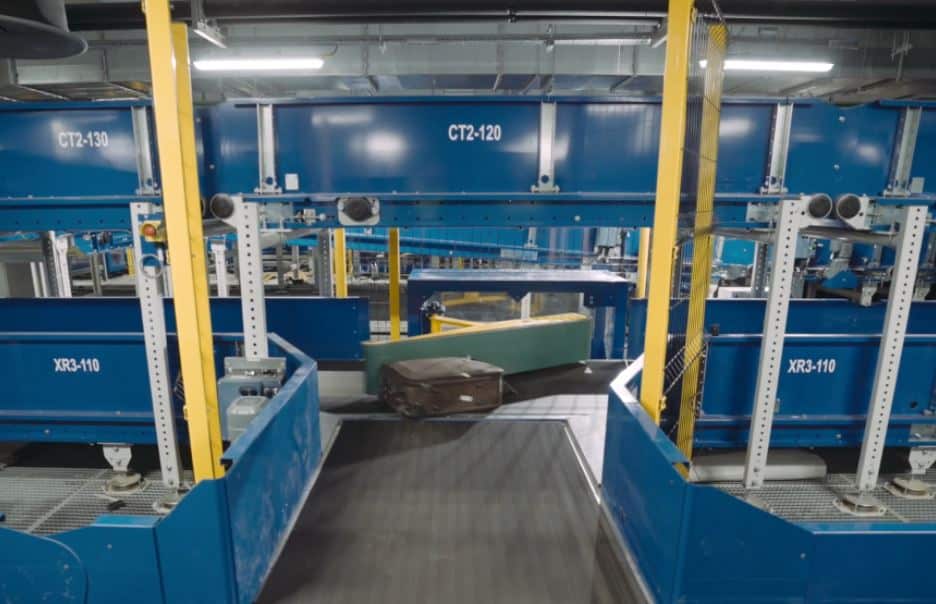
Pusher Diverter
The Pusher Diverter is used to horizontally divert items in a stream of baggage from one conveyor to another or can be used as a sorter on a non-inclined carousel. The Pusher diverter can divert up to 1800 bags per hour.
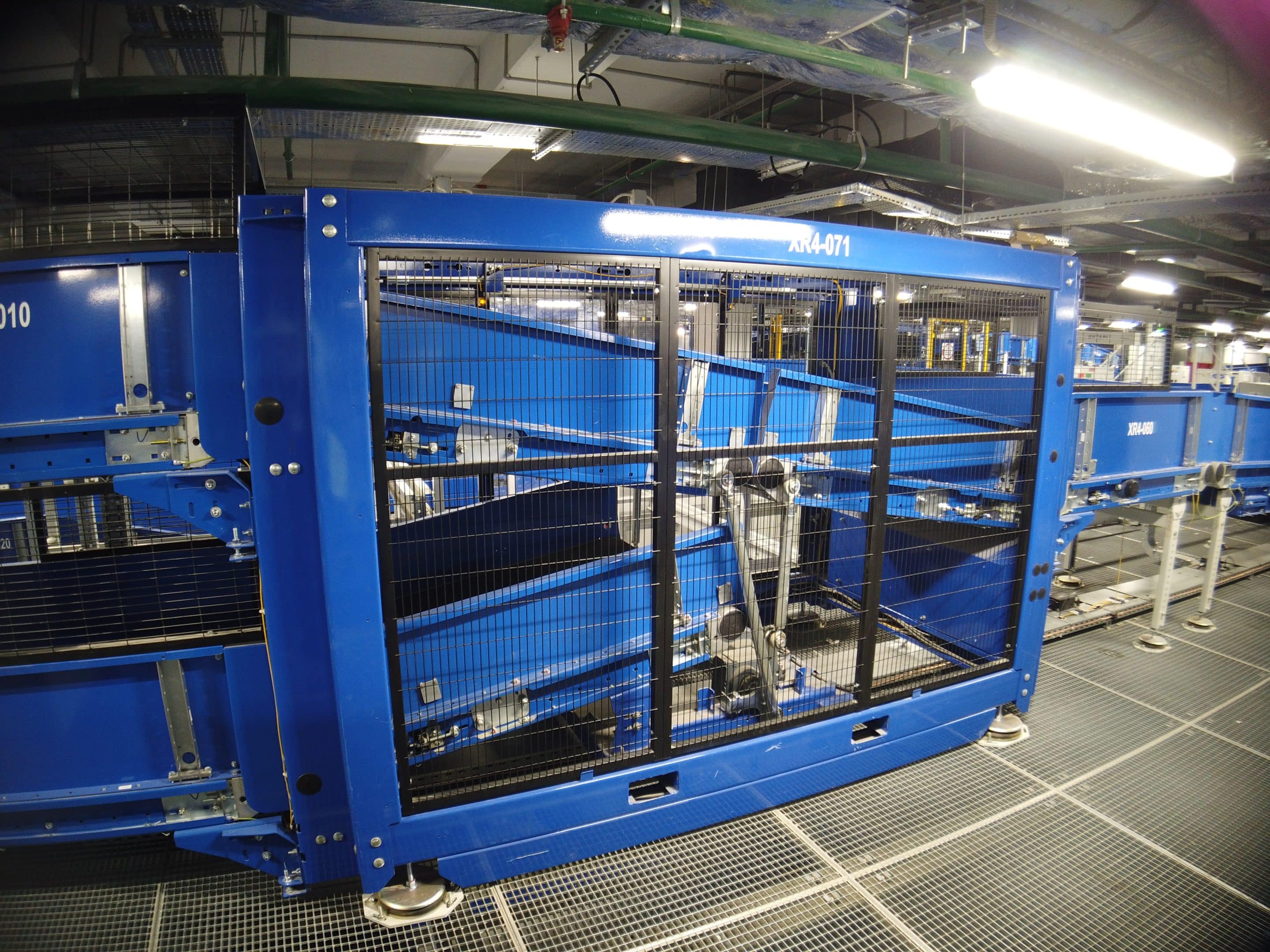
Vertical Sortation Unit (VSU)
The Vertical Sortation Unit allows the continuous divergence or convergence of baggage either from a feed conveyor to two receiving conveyors or from two feed conveyors to a receiving conveyor. The VSU can divert up to 1800 bags per hour.
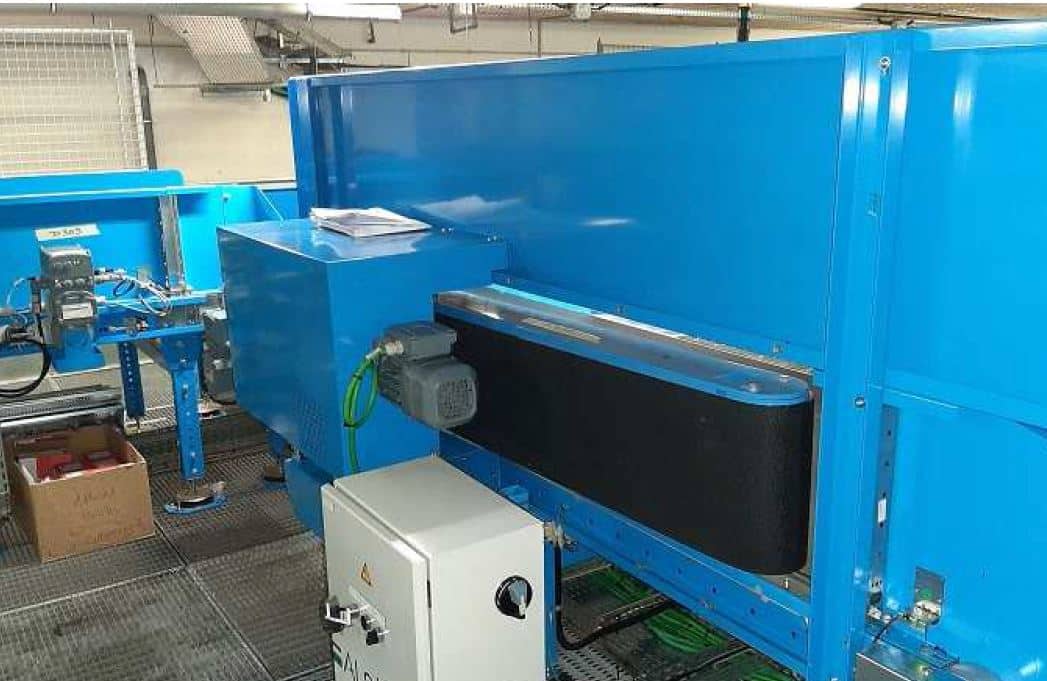
Plough Diverter
The Plough Diverter can be used to horizontally divert a stream of baggage from one conveyor to another conveyor.
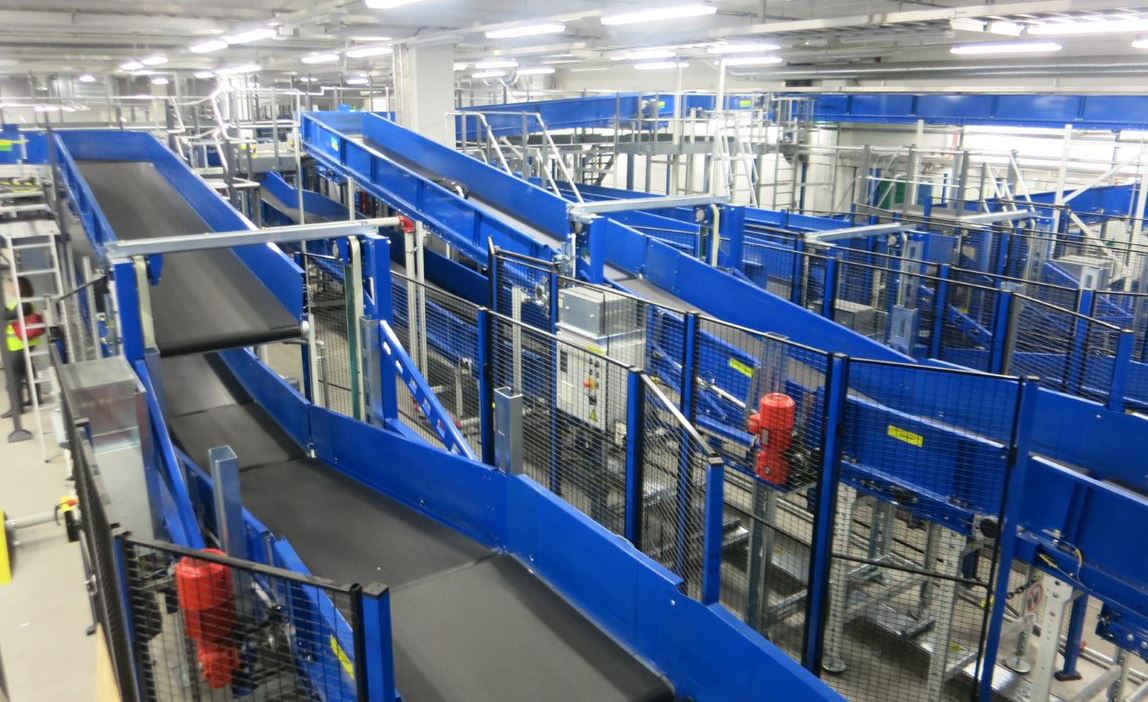
Vertical Distribution Unit (VDU)
The Vertical Distributor Unit allows for either divergence or convergence of baggage either from a feed conveyor to two receiving conveyors or from two feed conveyors to a receiving conveyor.
Medium Capacity Sortation
Pusher Diverter
The Pusher Diverter is used to horizontally divert items in a stream of baggage from one conveyor to another or can be used as a sorter on a non-inclined carousel. The Pusher diverter can divert up to 1800 bags per hour.
Vertical Sortation Unit (VSU)
The Vertical Sortation Unit allows the continuous divergence or convergence of baggage either from a feed conveyor to two receiving conveyors or from two feed conveyors to a receiving conveyor. The VSU can divert up to 1800 bags per hour.
Low Capacity Sortation
Plough Diverter
The Plough Diverter can be used to horizontally divert a stream of baggage from one conveyor to another conveyor.
Vertical Distribution Unit (VDU)
The Vertical Distributor Unit allows for either divergence or convergence of baggage either from a feed conveyor to two receiving conveyors or from two feed conveyors to a receiving conveyor.
Designed for Maintainability and Lifecycle Performance
Maintainability is a critical consideration in the design of any airport baggage handling system. Alstef Group’s sortation conveyors are engineered to simplify maintenance activities, minimise downtime and support efficient long-term operation within live airport environments.
Our conveyor systems are designed with accessibility and operational continuity in mind, enabling maintenance teams to safely and efficiently inspect, service and replace key components with minimal disruption to airport operations. Standardised components, modular construction and robust system architecture help reduce spare parts complexity and support streamlined maintenance planning across the wider baggage handling system.
Integrated control and monitoring capabilities also provide operators with improved visibility into system performance, helping identify potential issues early and supporting proactive maintenance strategies. This approach assists airports in improving system reliability, reducing operational interruptions and optimising total lifecycle cost.
Backed by Alstef Group’s global support network and extensive experience in airport operations, our sortation conveyor solutions are designed not only for performance today, but for long-term adaptability, serviceability and operational resilience.


